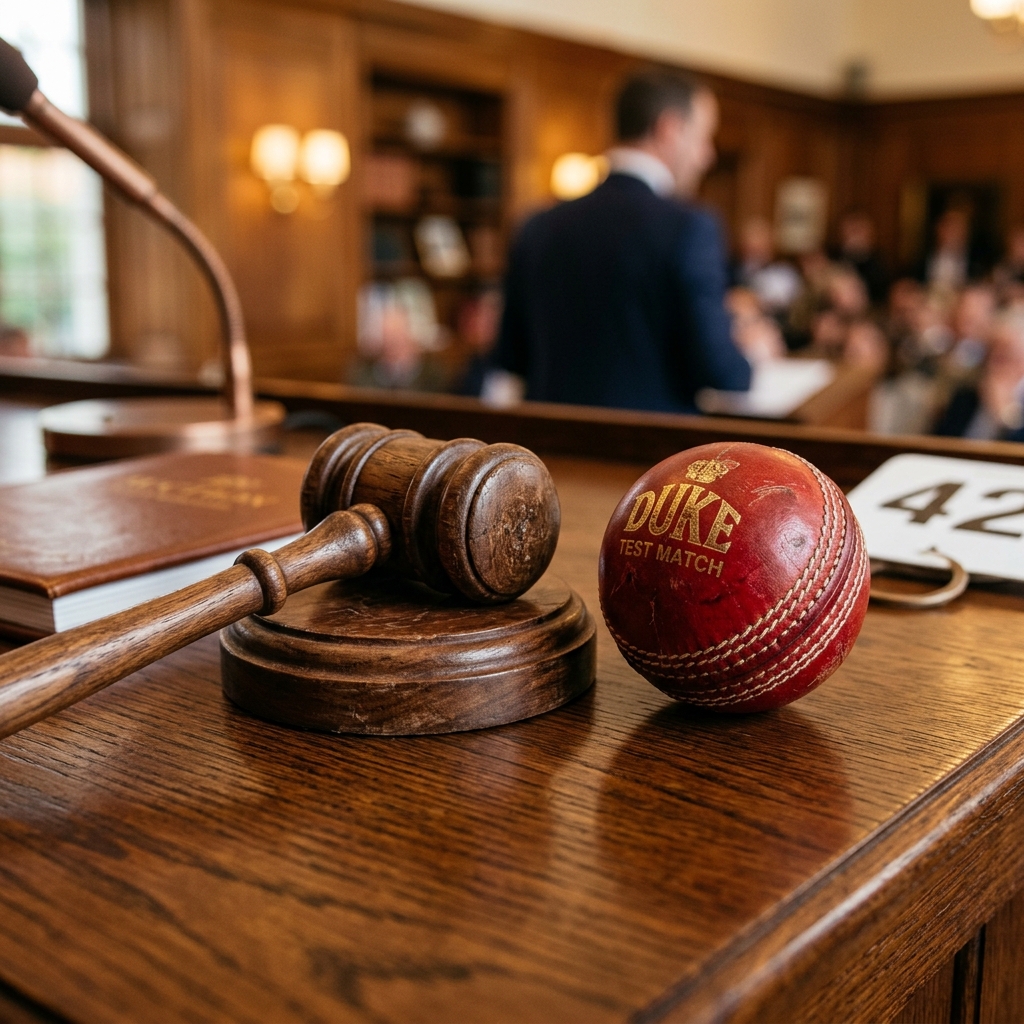

Running a professional sports draft for box leagues or local clubs is highly competitive. Making sure all team managers align on bidding increments and budget caps before draft day is essential for a clean, fair event.
Key Draft Rules Checklist
- Define a fixed wallet budget (purse) for every team manager.
- Enforce minimum/maximum squad size limits for all teams.
- Implement standardized bidding slabs to maintain rapid auction flow.
- Outline a clear process for unsold player reruns at the end.
1. The Roster Wallet (Purse)
Each team receives a fixed virtual wallet (e.g. ₹5,00,000). Every time a team manager bids on a player and the player is marked sold, the final price is deducted from their remaining purse balance. Managers cannot bid higher than their remaining budget.
"Having strict squad size rules prevents team owners from hoarding star players and ensures a competitive tournament balance."
2. Minimum and Maximum Squad Limits
To ensure teams do not end up with too few or too many players, establish squad size limits. For instance, each team must buy a minimum of 12 players and a maximum of 15 players.
3. Incremental Bidding Slabs
Increment slabs prevent owners from slowing down the bidding by raising by tiny amounts. Standard slab configurations:
Once a bid reaches a slab, all subsequent bids must respect the new minimum increment rules. If you are running the auction using a specialized program, the software enforces these slabs automatically. You can set up custom increments in our Free Cricket Auction Tool or use our pre-programmed sheets from the Free Cricket Auction Excel Template.
4. The Marquee Player Draw
Start the draft with high excitement by putting the "Marquee Players" (your top-tier bowlers and batsmen) on the block first. This sets the pricing tone and establishes the market value of budgets early in the session. Learn more about budgeting strategies in our Cricket Auction Budget Planning and Strategy Guide.
Always set up rules for player category minimums (e.g. at least 4 bowlers and 1 wicketkeeper per squad) to ensure every team exits the draft room with a playable team structure.
5. Unsold Player Reruns
If a player receives zero bids at their base price, they are marked "Unsold." At the end of the primary rounds, organizers can hold a secondary round where unsold players are put back on the block at half-price or custom requests.
Simplify Roster Audits
Doing all of this on a whiteboard requires a team of volunteers running manual audits. An online platform like PlayBid enforces all budget limits, slab rules, and roster counts in real-time, letting you focus entirely on hosting the show.
Need a quick tool for a small league?
Host a local draft for up to 3 teams directly in your browser. No signup required.
Launch Free Bidding Board